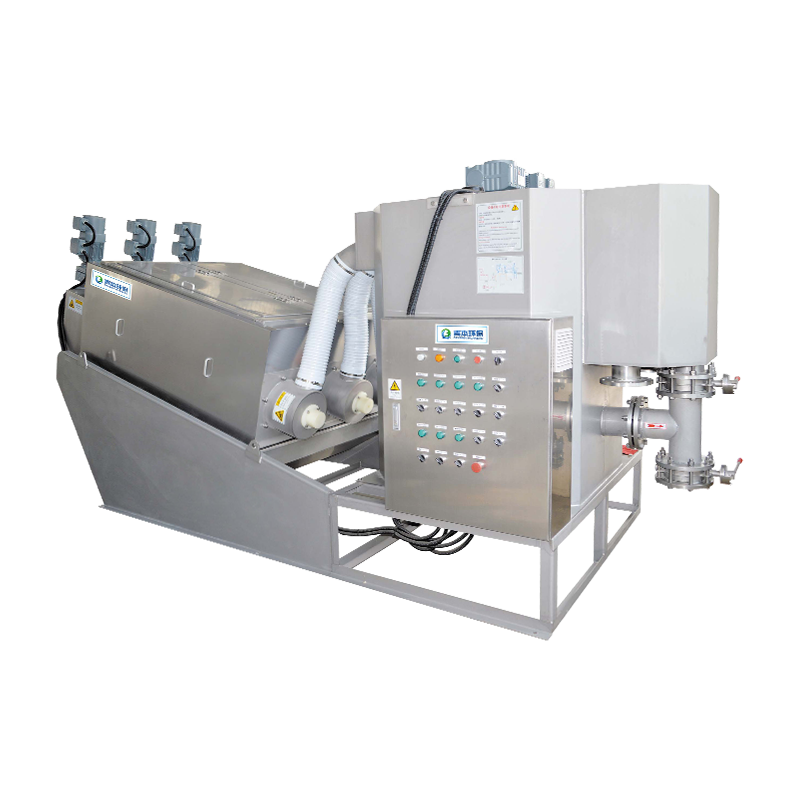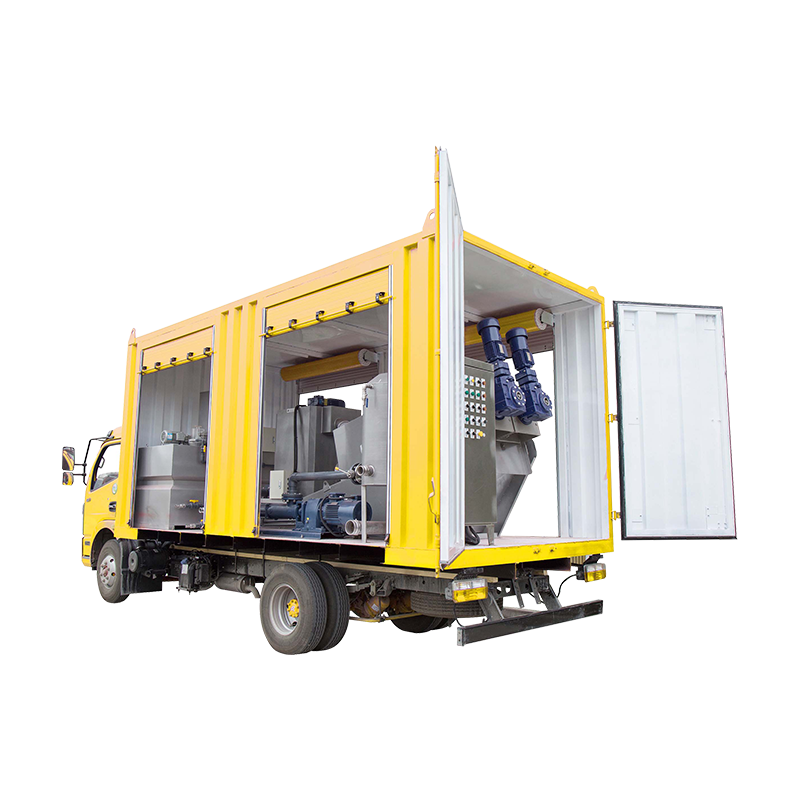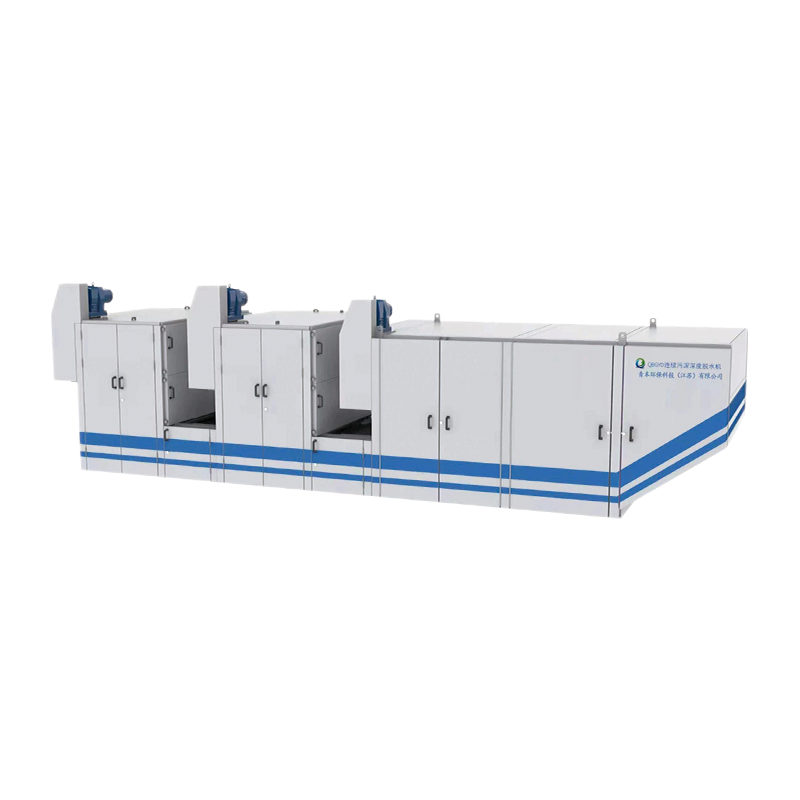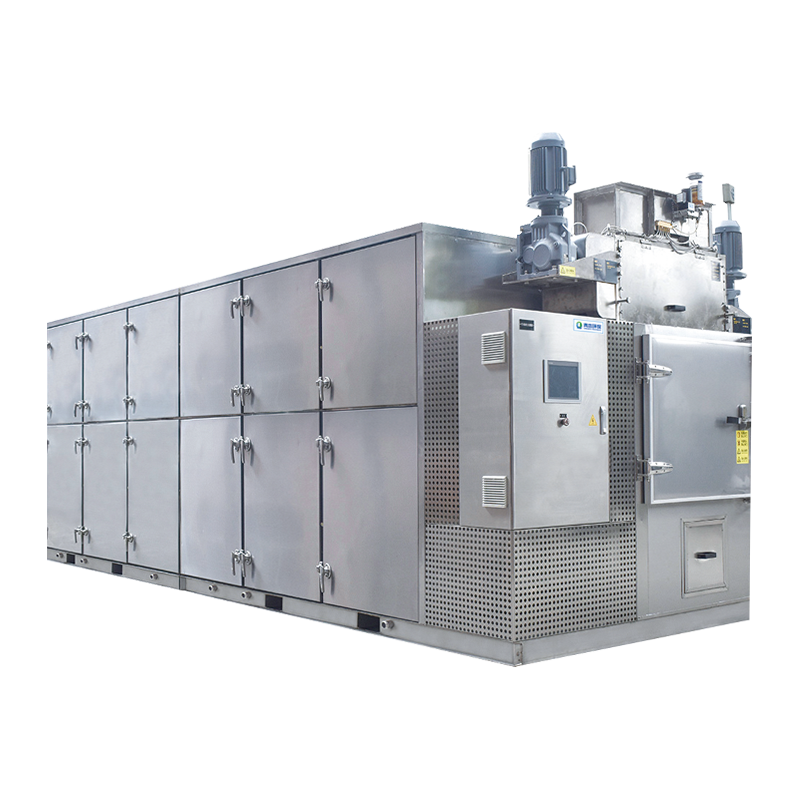


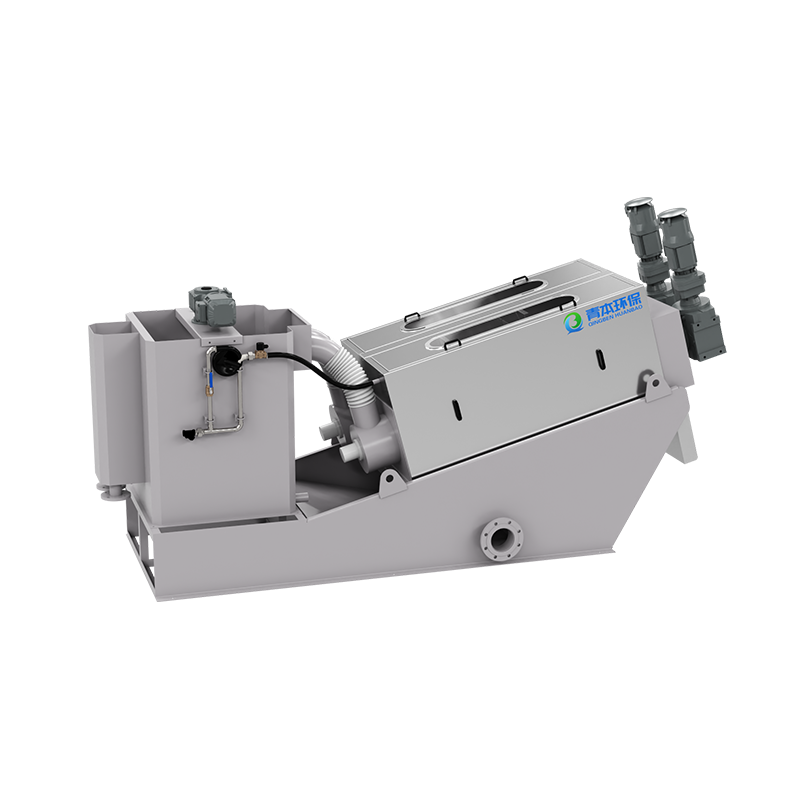
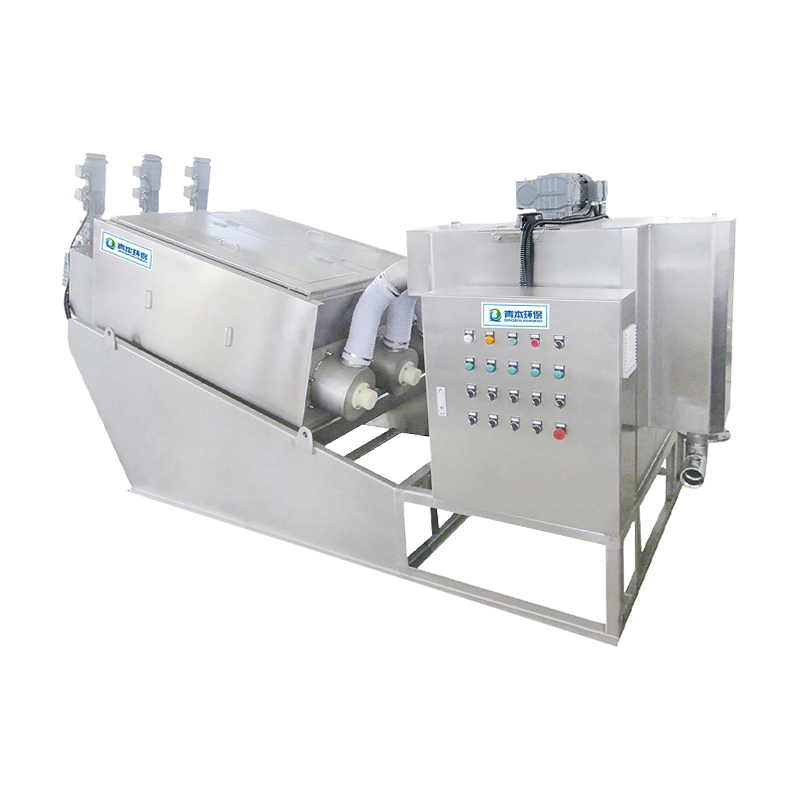
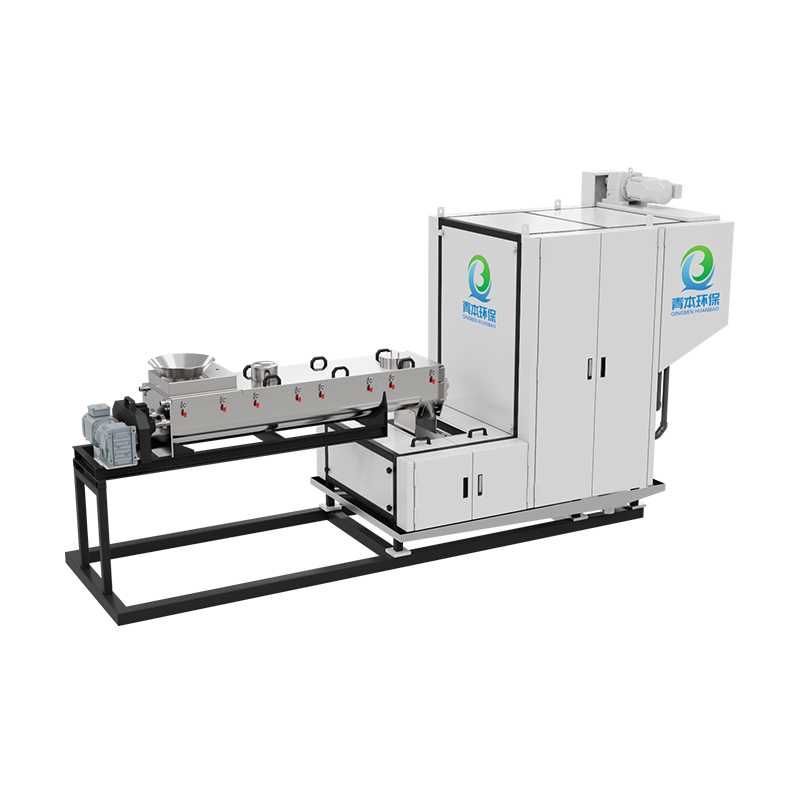
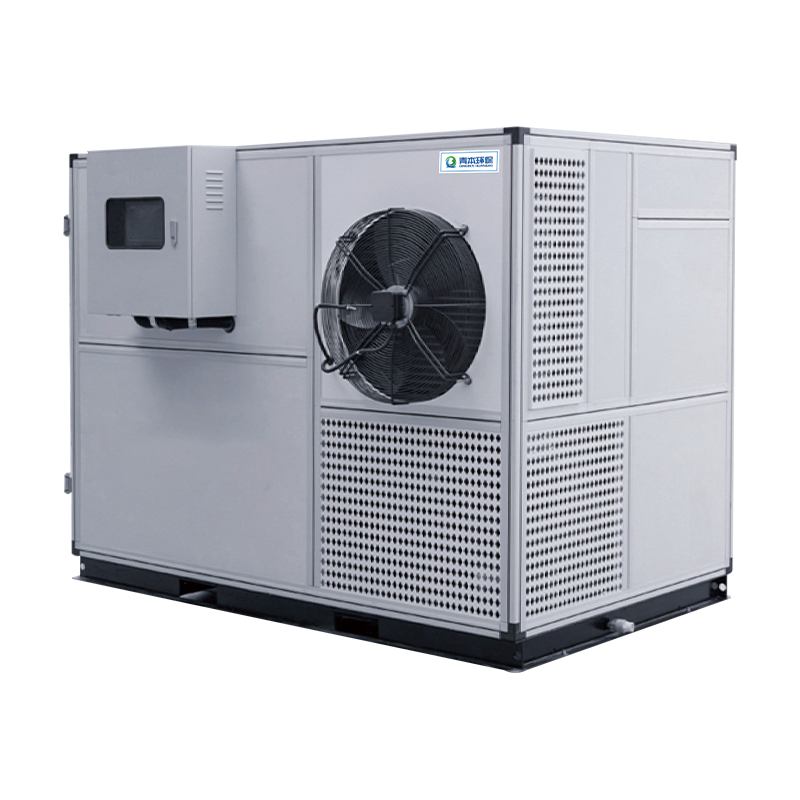
A sludge cryogenic drying machine — also referred to as a low temperature sludge dryer or condensation sludge dryer — is an industrial drying system that removes moisture from wet sludge at operating temperatures typically between 45 °C and 75 °C, using a heat pump refrigeration cycle rather than direct combustion heat. The result: sludge moisture content is reduced from 80% down to 10–30% without generating odor-laden exhaust gases or requiring high-temperature furnaces.
For wastewater treatment plants, municipal authorities, and industrial facilities generating large volumes of wet sludge daily, this technology represents a practical, energy-efficient pathway to volume reduction of 60–80%, simplified downstream disposal, and compliance with increasingly strict sludge landfill regulations. This article covers how the process works, what performance benchmarks to expect, how it compares to alternative drying methods, and what to look for when selecting a system.
How a Sludge Cryogenic Chamber Drying Machine Works
Despite the word "cryogenic" — which in broader engineering refers to very low temperatures — in the sludge treatment industry, a sludge cryogenic chamber drying machine specifically refers to a closed-loop, low-temperature condensation drying system. The term distinguishes it from high-temperature drum dryers or belt dryers operating above 150 °C. The operating principle draws directly from heat pump technology.
The Core Heat Pump Cycle
Wet sludge is loaded into an insulated drying chamber. A refrigerant-based heat pump circulates continuously: the evaporator coil inside the chamber absorbs moisture-laden warm air, cooling it below its dew point so that water condenses out and drains away as liquid. The now-dry, cool air passes over the condenser coil, where it is reheated by the heat rejected from the refrigerant compression stage, and recirculated over the sludge bed. This closed-loop recirculation means virtually no humid exhaust air escapes to atmosphere, eliminating the odor and emissions issues associated with open-loop drying.
Energy Recovery and COP
The heat pump's coefficient of performance (COP) for sludge drying typically ranges from 2.5 to 4.0, meaning that for every 1 kWh of electrical energy consumed by the compressor, 2.5–4.0 kWh of thermal energy is delivered to the drying process. This is fundamentally more energy-efficient than electric resistance heating (COP = 1.0) or natural gas burners. In practical terms, a well-designed heat pump sludge dryer consumes approximately 0.25–0.45 kWh of electricity per kilogram of water evaporated, compared to 0.8–1.2 kWh/kg for conventional high-temperature systems.
Simplified Process Flow — Low Temperature Sludge Dryer (Heat Pump Cycle)
The closed-loop architecture is central to the operating advantage of the sludge cryogenic chamber drying machine. Because moist air never exits the system to atmosphere, odorous volatile compounds are retained within the chamber and can be treated by an integrated deodorization module (typically UV photolysis or activated carbon adsorption) before any exhaust is released. The condensate collected from the evaporator coil is relatively clean water that can often be returned to the wastewater treatment inlet, reducing freshwater consumption. Energy that would otherwise be lost in exhaust gases is instead recovered and reused within the cycle, which is the core reason this technology achieves superior energy efficiency compared to open-system alternatives.
Key Performance Metrics: What Results to Expect
Understanding the quantitative performance envelope of a low temperature sludge dryer is essential for evaluating whether it suits your operational requirements. Performance varies with sludge type (municipal sewage sludge, industrial sludge, river/lake sediment, paper mill sludge), initial moisture content, and target final moisture content. The figures below represent typical ranges for well-engineered systems.
| Parameter | Typical Range | Optimal Conditions |
|---|---|---|
| Inlet moisture content | 75–85% | After mechanical dewatering (filter press / centrifuge) |
| Outlet moisture content | 10–30% | Target dictated by disposal route (landfill, incineration, land use) |
| Drying temperature | 45–75 °C | 55–65 °C for municipal sludge |
| Energy consumption | 0.25–0.45 kWh/kg water evaporated | Ambient temp 15–35 °C, high initial MC |
| Volume reduction | 60–80% | From 80% to 20% moisture content |
| Processing cycle time | 8–24 hours (batch) | Thin layer loading, optimized air velocity |
| Capacity range | 0.5–50 t/day wet sludge | Modular units can be combined for larger throughput |
Energy Consumption Comparison — Sludge Drying Technologies (kWh per kg water evaporated)
The heat pump sludge dryer consumes roughly 60–75% less energy per kilogram of water evaporated compared to electric resistance or spray drying approaches. This gap is even more significant when electricity costs are high or where carbon taxation is applied to energy use. Belt dryers, while more efficient than drum or spray systems, still consume more than twice the energy of a well-configured heat pump system because they rely on heated forced air that is exhausted to atmosphere rather than being recirculated. For facilities processing 5 tonnes or more of wet sludge per day, this energy difference translates into substantial annual operating cost reductions.
Comparing Low Temperature Drying to Conventional Sludge Drying Methods
Selecting the right sludge drying machine requires an honest comparison across multiple performance dimensions — not just headline energy figures. The table below provides a structured comparison covering the attributes most relevant to operational decision-making.
| Attribute | Low Temp / Heat Pump | High-Temp Drum Dryer | Belt Dryer |
|---|---|---|---|
| Operating temperature | 45–75 °C | 150–600 °C | 80–160 °C |
| Fire / explosion risk | Very low | High (dust ignition) | Moderate |
| Odor control | Excellent (closed loop) | Poor (open exhaust) | Moderate |
| Nutrient preservation | High (low heat) | Low (degraded) | Moderate |
| Installation footprint | Compact, modular | Large, fixed | Large, continuous |
| Maintenance complexity | Low–Medium | High | Medium–High |
| Flue gas treatment needed | No | Yes (scrubber, filter) | Partial |
Multi-Attribute Performance Radar — Sludge Drying Technology Comparison
The radar chart clearly illustrates the differentiated performance profile of the heat pump low temperature system. It leads decisively on energy efficiency, safety, odor control, and nutrient preservation — the four attributes most directly linked to regulatory compliance and operating cost management. High-temperature drum dryers, while capable of handling high throughput volumes, score poorly on nearly every environmental and safety dimension, requiring substantial supplementary investments in exhaust gas treatment, dust explosion prevention systems, and odor scrubbing. For municipal wastewater treatment plants and smaller industrial facilities where these supplementary investments are difficult to justify, the condensation sludge dryer offers a significantly more favorable overall profile.
Moisture Reduction Journey: From Wet Sludge to Disposable Dry Cake
Effective sludge dehydration system design is not a single-step process. It is a chain of unit operations, each removing moisture progressively more expensively per unit of water removed. Understanding where heat pump drying fits in this chain — and why trying to dry from 97% moisture with thermal drying alone is economically unwise — is fundamental to system design.
Sludge Moisture Reduction Curve — Low Temperature Drying Cycle (Indicative)
The drying curve reveals an important physical reality: the rate of moisture removal is highest in the first few hours (when the sludge surface is saturated and evaporation is surface-limited) and decreases progressively as moisture must diffuse from the interior of the sludge cake to the surface. This is the classic "falling rate period" common to all thermal drying processes. For the low temperature sludge dryer, this means that reaching 20% moisture content from 80% input takes roughly 12–15 hours in batch operation, but reaching 10% requires significantly more time — which is why target moisture content selection directly affects both cycle time and energy cost. Operators should design their target outlet moisture content based on downstream disposal requirements, not simply aim for the lowest possible value.
The Pre-dewatering Requirement
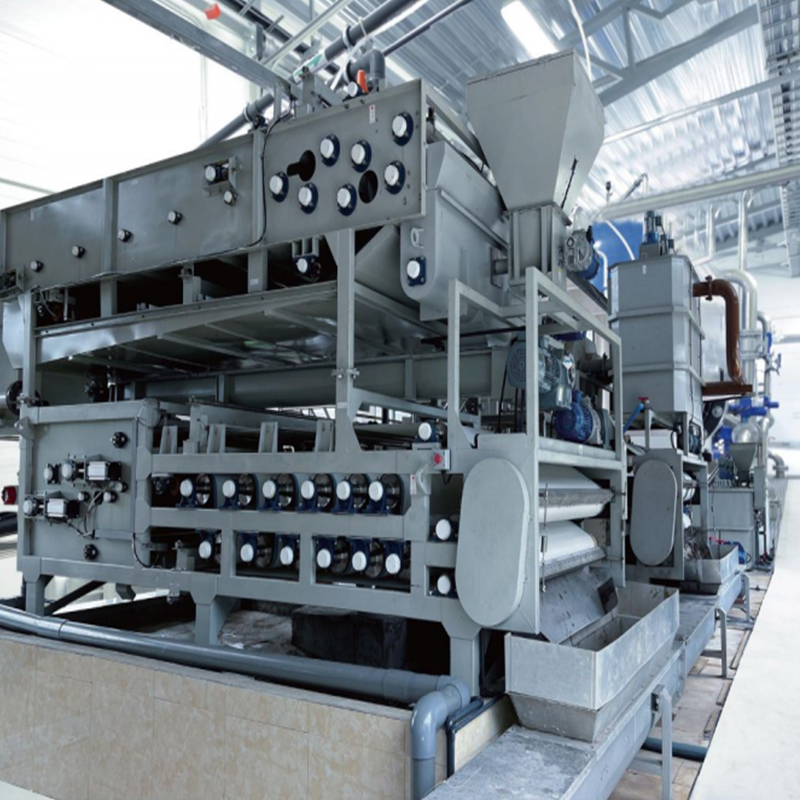
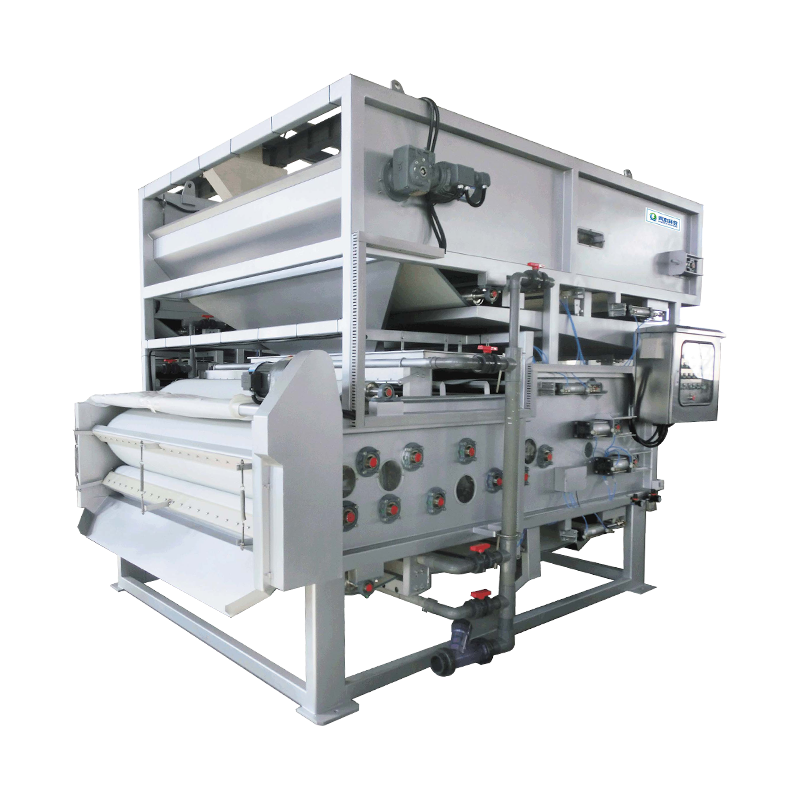
Raw digested or thickened sludge from a wastewater treatment plant typically exits at 94–97% moisture content. Thermal drying from this moisture level is technically feasible but economically impractical — the energy requirement to evaporate that volume of free water would be enormous. Pre-dewatering with a filter press, belt press, or decanter centrifuge to reduce moisture to 75–82% before entering the sludge drying machine is standard practice and reduces the thermal drying load by a factor of 4–6 compared to drying from raw sludge. The complete sludge dehydration system is therefore typically a two-stage process: mechanical dewatering followed by thermal drying.
Industries and Applications: Where Sludge Drying Machines Are Deployed
The versatility of the energy saving sludge dryer platform means it finds application across a wide range of industries generating problematic wet sludge streams. The requirements differ significantly by sector, which is why equipment configuration — chamber size, loading mechanism, deodorization system — must be tailored to the specific sludge characteristics.
Relative Sludge Generation Volume by Industry Sector (Normalized to Municipal = 100)
Municipal wastewater treatment plants generate by far the largest volume of sludge globally, making them the primary market for the municipal sludge drying system. However, paper and pulp mills, food processing facilities, and river or lake sediment remediation projects each represent substantial secondary markets with their own specific sludge characteristics. Paper mill sludge, for example, has high fiber content and relatively low density, which affects both the drying behavior and the potential reuse pathways for the dried product. River and lake sediment often contains heavy metals and must be handled under specific disposal regulations, making volume reduction through drying especially valuable to minimize transportation and landfill costs.
Dried Sludge End-Use Options
One of the underappreciated advantages of low-temperature drying is that it preserves the physical and chemical structure of the sludge better than high-temperature methods. This opens a wider range of end-use pathways for the dried product:
- Land application / soil amendment: Sludge dried to below 40% moisture and meeting pathogen reduction standards can be applied to agricultural or non-food-crop land as a nutrient source (subject to local regulations). Low-temperature processing preserves nitrogen and phosphorus better than high-temperature alternatives.
- Co-incineration fuel supplement: Dried sludge with moisture below 20–25% has sufficient calorific value to be co-fired in cement kilns or power station boilers as a supplemental fuel, reducing both disposal volume and the facility's fossil fuel consumption.
- Landfill disposal: Even where thermal or land use is not available, reducing sludge from 80% to 25% moisture reduces transportation mass by approximately 75%, substantially cutting haulage and landfill gate fees.
- Composting feedstock: Partially dried sludge at 40–50% moisture is an appropriate moisture level for co-composting with bulking agents such as wood chips or straw, producing a marketable soil conditioner product.
System Configuration and Key Equipment Components
A complete industrial sludge dryer installation based on heat pump condensation technology comprises several integrated subsystems. Understanding each component's role helps facility managers make informed decisions during both procurement and operation.
Drying Chamber
The insulated chamber houses the sludge loading trays or conveyor belt and contains the recirculating air stream. Chamber construction is typically 304 or 316L stainless steel for corrosion resistance, with polyurethane foam insulation to minimize heat loss. Chamber volume is sized to the daily throughput requirement — modular units typically range from 2 m³ to 40 m³ internal drying volume, with multiple chambers installed in parallel for larger facilities.
Heat Pump Assembly
The heat pump uses a refrigerant (typically R134a, R410A, or R32) circulated by a hermetic compressor through an evaporator coil (for moisture condensation and air cooling) and a condenser coil (for air reheating). Variable-speed compressor drives allow the system to modulate capacity as the sludge dries and moisture evaporation rate decreases, improving overall cycle efficiency. Auxiliary electric heaters can supplement heat delivery during cold ambient conditions when heat pump COP decreases.
Deodorization and Air Treatment Unit
Even in a closed-loop system, a small bleed of chamber air is typically processed through a deodorization unit before discharge to meet local air quality standards. Common treatment methods include UV photolysis (effective against H2S, mercaptans, and ammonia), activated carbon adsorption, and biological biofilters. The choice depends on odor compound composition, local emission limits, and the availability of replacement media or consumables at the site.
Control and Monitoring System
Modern sludge treatment equipment is controlled by a PLC (programmable logic controller) with a touchscreen HMI (human-machine interface) that monitors chamber temperature, humidity, compressor power, condensate volume, and estimated remaining drying time. Remote monitoring via SCADA or cloud-connected IoT platforms enables plant managers to track multiple units across different sites from a central control room, receive fault alerts, and optimize scheduling to match electricity tariff periods.
Sludge Reduction Equipment: Quantifying the Environmental and Operational Benefits
The business case for investing in sludge reduction equipment based on heat pump drying technology is built on four overlapping benefit streams: reduced disposal costs, lower energy expenditure, reduced carbon footprint, and regulatory compliance risk mitigation. A worked example helps to illustrate the magnitudes involved.
Illustrative Annual Benefit Distribution — 10 t/day Wet Sludge Facility (Relative Units)
Reduced disposal costs — driven by the 60–80% volume reduction achievable with the sludge cryogenic chamber drying machine — consistently represent the largest share of the annual benefit pool. When wet sludge is transported to landfill or incineration facilities at per-tonne gate fees, reducing the disposed mass by three-quarters directly reduces this major cost line. Energy savings represent the second-largest benefit stream, reflecting the heat pump's high COP versus the thermal drying or additional mechanical dewatering cycles it displaces. Carbon benefits, while smaller in absolute terms today, are growing in importance as more jurisdictions tighten emissions reporting requirements and impose carbon pricing mechanisms that directly affect the operating economics of wastewater treatment facilities.
Choosing the Right Sludge Treatment Equipment Manufacturer
Selecting a qualified sludge treatment equipment manufacturer is as important as selecting the right technology. The equipment must be matched to your specific sludge characteristics, site constraints, throughput requirements, and downstream disposal pathway — tasks that require both engineering expertise and operational experience. Here is what to evaluate:
- Sludge-type experience: Municipal sewage sludge, industrial sludge, and river sediment behave differently in the dryer. A manufacturer with case references across multiple sludge types can provide more reliable performance guarantees than one with a narrow application base.
- Full-project scope: Look for manufacturers who provide complete turnkey delivery from project consultation, process design, construction, commissioning, and ongoing technical support — rather than equipment-only supply. Sludge treatment projects involve civil works, electrical infrastructure, and process integration that require coordinated expertise.
- Testing and pilot capability: Reputable manufacturers can conduct bench-scale or pilot drying trials on your specific sludge before finalizing system design. This eliminates uncertainty about achievable moisture reduction rates and cycle times for your particular material.
- After-sales service network: Heat pump drying systems require periodic refrigerant maintenance, compressor servicing, and deodorization media replacement. Confirm that the manufacturer has a service presence in your region and maintains an adequate spare parts inventory.
- Certification and regulatory compliance: Equipment should conform to relevant safety and electrical standards for your jurisdiction (CE marking for Europe, CCC for China, UL for North America). Process design should account for local air emission limits and sludge disposal regulations.
Frequently Asked Questions
Q1. How does low temperature sludge drying work?
A heat pump circulates refrigerant to alternately cool and reheat air inside a sealed drying chamber. The cooling stage condenses moisture from the air as liquid water, which drains away; the reheated dry air then passes over the sludge bed to absorb more moisture. This closed-loop cycle continues until the target moisture content is reached, typically operating between 45 and 75 °C without any open-flame heat source.
Q2. What moisture content can be achieved after drying?
Starting from 75–82% moisture content after mechanical pre-dewatering, a well-configured low temperature sludge dryer can reduce moisture to 10–30% depending on cycle time and sludge type. For most landfill and co-incineration applications, 20–25% is the practical target. Achieving below 15% requires extended cycle times and is only warranted where very high calorific value is required for fuel use.
Q3. How much energy does sludge drying consume?
A heat pump sludge dryer typically consumes 0.25–0.45 kWh of electricity per kilogram of water evaporated, compared to 0.8–1.5 kWh/kg for conventional high-temperature methods. For a facility evaporating 5,000 kg of water per day, this represents a daily saving of roughly 2,750–5,250 kWh compared to a drum or spray drying approach — a substantial reduction in both energy cost and carbon footprint.
Q4. What is the best method for sludge drying?
For most municipal and light industrial applications, low temperature heat pump drying (condensation drying) represents a favorable combination of energy efficiency, odor control, safety, and moderate capital investment. High-temperature drum drying may be preferred for very large throughput requirements where continuous operation is needed. The optimal method depends on sludge volume, local energy costs, site space constraints, and downstream disposal requirements.
Q5. How long does the sludge drying process take?
In batch operation, a typical cycle to reduce sludge from 80% to 20% moisture takes 8–15 hours depending on sludge type, chamber loading depth, and air velocity settings. Thinner sludge layers and higher air circulation speeds reduce cycle time but require more trays or loading area. Continuous belt-type low temperature dryers can achieve steady-state operation with shorter effective residence times for higher-throughput facilities.
Q6. What are the advantages of condensation drying technology?
Condensation drying offers five core advantages: significantly lower energy consumption than high-temperature alternatives, near-elimination of odorous exhaust emissions due to closed-loop operation, low fire and explosion risk (no open flames, no sludge dust ignition hazard), preservation of sludge nutrients for land application end-use, and a compact modular footprint that allows installation inside existing buildings without major civil work.
Q7. What industries use sludge drying machines?
The primary users are municipal wastewater treatment plants, followed by paper and pulp mills, food and beverage processing facilities, chemical and pharmaceutical manufacturing, river and lake sediment remediation projects, and printing/coating industries. Each sector generates sludge with different characteristics — moisture content, organic load, heavy metal content — which influences equipment specification and the required deodorization approach.
Q8. Do I need mechanical dewatering before thermal drying?
Yes, in virtually all cases. Raw sludge from a wastewater treatment plant exits at 94–97% moisture, and evaporating free water from this level thermally is highly inefficient. Mechanical dewatering with a filter press, belt press, or centrifuge to 75–82% moisture is the standard first step, reducing the thermal drying load by a factor of 4–6. The complete sludge dehydration system is a two-stage process: mechanical dewatering followed by low temperature thermal drying.